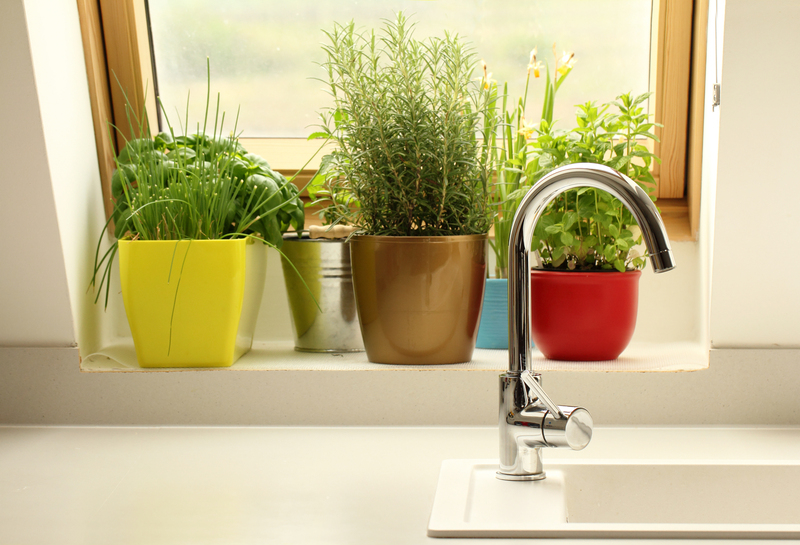
Turn Your Deck Into a Peaceful Escape with the Right Tall-Potted Plants
Turn Your Deck Into a Peaceful Escape with the Right Tall-Potted Plants
Close your eyes for a second. Picture your deck wrapped in soft green height, a gentle rustle of bamboo leaves, the citrusy scent of bay as evening falls, neighbours politely fading into a green blur. Thats the magic of tall potted plants used well. With a few smart choices and a little planning, you can turn your deck into a peaceful escape--a private, soothing, good-for-the-soul kind of space. And you don't need acres or a massive budget. Just the right tall-potted plants, the right containers, and a plan that fits your deck's microclimate.
In this expert guide, we'll cover design, plant selection, layout, maintenance, and UK-focused safety and compliance. It's friendly. It's practical. And yes--it's detailed enough to help you outperform the noisy, generic advice online. Think of this as your trusty companion for creating a deck oasis: Clean, clear, calm. Thats the goal.
Table of Contents
- Why This Topic Matters
- Key Benefits
- Step-by-Step Guidance
- Expert Tips
- Common Mistakes to Avoid
- Case Study or Real-World Example
- Tools, Resources & Recommendations
- Law, Compliance or Industry Standards (UK-focused if applicable)
- Checklist
- Conclusion with CTA
- FAQ
Why This Topic Matters
Your deck isn't just a bit of timber and a table. It's where you breathe between emails, where you drink tea on bright chilly mornings, where friends laugh louder because the fresh air makes everything feel lighter. Unfortunately, many decks feel exposed, noisy, or a bit barren. Turning your deck into a peaceful escape with the right tall-potted plants flips that script.
Why tall plants? Height creates privacy, softens hard edges, and frames views--without permanent construction. Tall potted plants bring movement, scent, birdsong, tiny bees working the flowers. They muffle sound slightly, break the wind, and cool the area through transpiration. In short: they work hard while looking serene.
To be fair, there's a knack. Not every plant enjoys life in a container, not every balcony can carry the same weight, and not every climate suits bamboo or palms. But when you match plants and pots to your space--then layer heights and textures--you'll feel the difference the very next evening. It was raining hard outside that day, but the deck felt somehow safe, softened by the foliage. You'll see why.
Key Benefits
- Instant privacy without planning faff: Tall, container-grown plants like Fargesia bamboo, Pittosporum, or Photinia screen views fast.
- Calm, biophilic design: Green height reduces visual clutter and stress. Studies consistently show greenery lowers perceived stress and can improve mood.
- Seasonal interest: Mix evergreen structure (e.g., bay laurel, Trachycarpus) with seasonal tall grasses or flowering climbers for year-round charm.
- Sound buffering and wind tempering: Plants create a porous barrier that softens wind and slightly dampens city sounds. Not silence, but softer edges.
- Flexible and reversible: Containers move. You can re-arrange for events, winter sun, or kids play space. No permanent fixtures needed.
- Wildlife value: Flowering climbers (star jasmine), herbs (rosemary), and grasses invite pollinators and birds into even small urban spaces.
- Design clarity: Height helps structure the deck: frame a seating corner, create a green backdrop, or guide the eye to a view you love.
- Low build risk: Compared to fixed screens or pergolas, tall pots avoid many planning constraints--ideal for renters or leasehold flats.
Step-by-Step Guidance
1) Read your deck like a site survey
Start with observation. Where does the sun hit at 10am, 2pm, 7pm? Where does wind howl a bit? Any drip lines from gutters? Stand on the deck and look out--what do you want to hide, and what view should be framed? Take phone notes, even a quick sketch. Truth be told, this five-minute ritual saves hours later.
- Aspect: South/west decks are hot and bright; north/east decks are cooler and shadier.
- Wind exposure: High-rise balconies need tough, wind-tolerant choices.
- Access and water: Where's your nearest tap? Can you run a hose or drip line?
2) Define your vibe with 1 sentence
Try: "I want a calm urban hideaway with soft movement and scent." Or "Mediterranean pots, structured and minimal." This guides plant and pot selection. Ever tried clearing a room and found yourself keeping everything because you never set a vision? Same idea.
3) Choose tall-potted plants that thrive in containers
We're aiming to turn your deck into a peaceful escape with the right tall-potted plants, so choose varieties proven in pots. Here's a focused list by conditions in the UK:
- Sun-loving, wind-tolerant:
- Fargesia (clumping bamboo, non-invasive)--fast privacy without running roots.
- Trachycarpus fortunei (windmill palm)--hardy, architectural, surprisingly tough.
- Calamagrostis x acutiflora 'Karl Foerster'--upright grass, elegant movement.
- Olea europaea (olive tree)--Mediterranean look; needs sharp drainage.
- Phormium and Cordyline australis--sword-like leaves, bold silhouette.
- Partial shade to shade:
- Fatsia japonica--big glossy leaves, excellent for north-facing spots.
- Camellia japonica (acidic compost)--glorious winter-spring blooms.
- Skimmia japonica--compact, fragrant, pollinator-friendly.
- Evergreen screens:
- Pittosporum tenuifolium--lightweight, clips well, great in coastal wind.
- Photinia x fraseri 'Red Robin'--red new growth, responds to pruning.
- Thuja occidentalis 'Smaragd'--slim conifer column for neat structure.
- Laurus nobilis (bay)--edible leaves, dense and classy.
- Climbers for tall trellis/obelisks:
- Trachelospermum jasminoides (star jasmine)--evergreen, scented summer flowers.
- Climbing roses (compact varieties)--romance, fragrance, bees.
- Clematis (choose group per flowering time)--pair with evergreen structure.
- Edible height:
- Tomatoes on a tall obelisk, trained cucumbers, or espaliered apple in a trough.
- Herb towers: bay as the anchor, rosemary and thyme at the base.
Note: Avoid running bamboos (Phyllostachys) unless you're fully confident with root barriers and big containers; clumping types are safer in UK balconies and decks. We've all seen the horror stories...
4) Pick the right pots (they matter more than you think)
- Size: Go bigger--at least 40-60 cm diameter and depth for tall plants. Volume stabilises roots and moisture.
- Material:
- Lightweight fibreglass or high-quality resin for balconies.
- Frost-proof ceramic or fibreclay for ground-level decks.
- Wooden planters: line with pond liner, add drainage holes.
- Drainage: Essential. Elevate with pot feet; add a saucer if above neighbours to manage runoff.
- Mobility: Use wheeled dollies for big planters; future-you will thank you.
- Safety: In windy sites, add discreet anchoring or choose low, broad planters for stability.
5) Soil mix, planting, and watering setup
- Soil: Use peat-free container compost mixed with 10-20% horticultural grit or perlite for drainage.
- Drainage layer: Not necessary if your mix is right; better to rely on good compost + holes + pot feet.
- Planting: Set the crown slightly above rim level, water thoroughly, then top with 3-5 cm mulch (bark or decorative gravel).
- Watering: Install a simple drip irrigation line with a timer (or self-watering planters). Consistency beats floods and droughts.
- Feeding: Slow-release fertiliser in spring; liquid feed during peak growth for fruiting or flowering types.
Small human moment: the first time you turn on a drip system and see each emitter ticking away--tiny, reliable, soothing--it's oddly satisfying.
6) Layout and layering for a genuinely peaceful feel
- Backbone first: Place the tallest evergreens along the boundary you most want to soften. Aim for a gentle arc rather than a straight military line.
- Frame the view: Use two matching tall pots to frame an entry or a favourite chair. Instant order.
- Texture and movement: Add tall grasses for sway and sound. The rustle is half the calm.
- Scents: Star jasmine near seating, bay near the kitchen door, rosemary at hand height.
- Sight lines: Keep central areas lower for flow; cluster taller pots to create a private nook.
7) A simple maintenance rhythm
- Weekly: Check moisture, deadhead, quick tidy. Five minutes, tea in hand.
- Monthly: Feed if needed, check for pests (especially vine weevil in containers), adjust ties.
- Seasonal: Spring pruning; autumn top-up of mulch; winter protection (wrap pots, move tender plants close to walls).
Ever tried to fix a crispy plant after a heatwave? Prevention--consistent watering--is easier, and kinder on the wallet.
Expert Tips
- Think in threes: Use groups of 3 or 5 pots for a professional look. Odd numbers read as natural.
- Colour editing: Choose one pot colour family (charcoal, terracotta, or stone). It makes the plants do the talking.
- Height without bulk: Columnar evergreens (like 'Smaragd' thuja) give privacy without hogging floor space.
- Wind-wise staking: For climbers and slender trees, use discreet, flexible ties; rigid staking can cause wind rock.
- Water economy: Add mulch and use hydrospikes or a basic drip kit. Containers dry faster than beds--especially on south-facing decks.
- Root health: Refresh top 5-10 cm of compost annually; repot every 2-4 years depending on growth rate.
- Wildlife moments: Mix evergreen structure with nectar sources. Bees on jasmine at dusk? Magic.
- Night-time atmosphere: Add warm-white solar or low-voltage lights washing up the taller plants. Subtle, not garish.
- Fire safety sense: Avoid tall, dry grasses beside BBQs or heaters; keep watering consistent to reduce tinder-dry foliage.
- Budget trick: Buy smaller versions of slow-growing evergreens--save money, watch them settle. It's oddly joyful.
Common Mistakes to Avoid
- Overloading the balcony: Heavy planters + wet compost add serious weight. Respect structural limits.
- Choosing runners not clumpers (bamboo): Running bamboo can escape even containers; pick clumping Fargesia for peace of mind.
- Tiny pots for tall plants: Leads to constant watering stress and topple risk.
- Poor drainage: Saucers without overflow can waterlog roots and annoy neighbours with overflow. Balance is key.
- One-season wonder: Only grasses or only summer flowers = flat in winter. Mix evergreen with seasonal performers.
- Ignoring wind: Leaves shredded, pots toppled. Choose wind-tolerant plants and sturdy containers.
- Fertiliser feast or famine: Overfeeding burns roots; underfeeding starves. Slow-release pellets keep it simple.
Case Study or Real-World Example
Project: 3.2 m x 5 m London terrace, third floor, south-west facing, overlooked on two sides.
Goal: "Unlock seclusion and style using the best tall-potted plants for your outdoor space." Or in human terms: a private, modern space to relax after work, with year-round greenery and low maintenance.
Constraints: Wind exposure, weight limits (lease suggested staying under ~2.0 kN/m? imposed loads), no permanent fixtures.
Design approach:
- Backbone: Four 60 cm lightweight fibreglass troughs along the most overlooked edge. Planted with Pittosporum tenuifolium and Calamagrostis 'Karl Foerster' alternating--for privacy with movement.
- Framing: Two 50 cm round planters flanking the seating: one Trachycarpus, one bay laurel (edible, dense).
- Scent & romance: Two tall obelisks with star jasmine in deep planters near the door. Evening scent = instant spa vibes.
- Irrigation: Simple Hozelock drip line on a timer. Pot feet and saucers to manage runoff.
- Finishing: Warm-white uplights at the base of the palm and jasmine for night-time glow.
Outcome: Within six weeks, the deck felt enclosed and calm. Neighbours? Still there, but softened into greenery. The grasses whispered in a breeze you barely noticed before. Cost came in 18% under the client's budget by selecting slightly smaller evergreens and letting them grow on. Sometimes less now, more later is perfect.
One small memory: first dinner outside, light rain on a Friday night, jasmine drifting on the air. They stayed out longer than planned. It happens.
Tools, Resources & Recommendations
- Planters: Elho, Lechuza (self-watering), Adezz, or quality fibreglass planters for lightweight durability.
- Compost (peat-free): Melcourt SylvaGrow, Dalefoot Compost, or Westland New Horizon.
- Fertilisers: Controlled-release (e.g., Osmocote) and a seaweed-based liquid feed for mid-season boosts.
- Irrigation: Hozelock or Gardena drip kits with simple digital timers.
- Plant health: Buy from RHS-recommended nurseries or HTA members; look for Plant Healthy certification where possible.
- Tools: Pot feet, wheeled dollies, soft tree ties, moisture meter, sharp secateurs, breathable frost fleece.
- Reading & apps: RHS Container Gardening, RHS Grow app, Met Office weather app for frost/wind alerts.
Law, Compliance or Industry Standards (UK-focused if applicable)
Let's keep it safe and sensible. A few UK-specific points matter when you're building vertical green privacy on a deck or balcony.
- Weight limits and structure: UK residential floors are often designed around imposed loads in the 1.5-2.5 kN/m? range (referencing BS EN 1991-1-1; exact value depends on design category and building specifics). Balconies can be higher or lower depending on the build. Action: Check your lease/landlord's guidance and, if in doubt, consult a structural engineer. Wet compost is heavy.
- Fire safety on balconies: The Fire Safety Act 2021 and guidance from fire brigades advise caution with combustible items on balconies. Keep dry plant matter away from ignition sources; avoid stacking flammable materials; maintain clear escape routes. Some buildings restrict BBQs and heaters--read your block's rules.
- Drainage and nuisance: Don't allow water to cascade onto neighbours. Use saucers, trays, or drip lines and check overflow. Local councils can act on statutory nuisance if runoff causes damage.
- Invasive species: The Wildlife and Countryside Act 1981 restricts planting certain invasive species in the wild. While many are garden-safe, avoid invasive runners (like some bamboos) without proper containment. Choose clumping Fargesia for screening.
- Plant health and biosecurity: Follow UK Plant Health regulations; buy from reputable suppliers to avoid pests/diseases (e.g., Xylella). Some hosts (like olive, lavender, rosemary) are monitored--sourcing matters.
- Planning and lease rules: Most pots don't need planning permission, but changes to railings, fixed trellis, or structures might. Leasehold flats often have balcony clauses on loads and appearance.
- Surface safety: Keep routes clear, avoid slip hazards from algae. Use pot feet to improve airflow and reduce deck rot.
In short: check building documents, buy healthy plants, manage water, respect fire guidance. Peaceful--and responsible.
Checklist
- Define your vibe in one line (calm, minimal, Mediterranean, woodland).
- Map sun, wind, views to hide and views to frame.
- Confirm any balcony/deck load restrictions and building rules.
- Choose 2-3 evergreen anchors + 2-3 seasonal tall accents.
- Pick large, frost-proof, lightweight planters with excellent drainage.
- Use peat-free compost with grit/perlite; add slow-release fertiliser.
- Install drip irrigation or self-watering inserts; add mulch.
- Group pots in odd numbers; frame seating or doors with matching pairs.
- Plan winter protection and a simple monthly maintenance routine.
- Keep water runoff tidy; consider saucers/pot feet; mind fire safety.
Conclusion with CTA
If you take one thing away, let it be this: height is harmony. The right tall-potted plants can turn your deck into a peaceful escape--screening the world just enough so your space feels like yours again. Choose smart, plant generously, and let movement, scent, and structure do the rest.
Start small if you wish. One evergreen column, one scented climber, one grass. Then build. Your deck oasis will find its rhythm quickly--quicker than youd expect, actually.
Get a free quote today and see how much you can save.
And when the sun dips and the jasmine starts to whisper? Stay out for one more cup. Just because.
FAQ
What tall potted plants give the fastest privacy on a deck?
Clumping bamboos like Fargesia, upright grasses like Calamagrostis 'Karl Foerster', and evergreen shrubs such as Pittosporum or Photinia deliver quick height without becoming invasive. Combine a couple for instant effect.
Are bamboos safe for containers, or will they escape?
Choose clumping bamboos (e.g., Fargesia) for containers. Avoid running types (Phyllostachys) unless you use large containers with robust barriers and monitor regularly. Clumpers are the low-stress option.
How big should containers be for tall plants?
For genuine height and stability, aim for 40-60 cm in both diameter and depth for most tall shrubs and small trees. Bigger is better for moisture stability and root health.
What compost is best for tall container plants?
Use a high-quality peat-free container compost mixed with 10-20% grit or perlite for drainage. For ericaceous plants (camellias), use a peat-free ericaceous mix.
How often should I water tall potted plants on a sunny deck?
In summer, likely 2-4 times weekly, but it depends on pot size, exposure, and plant type. A drip system with a timer gives consistent moisture without guesswork.
What about weight on a balcony--how do I stay safe?
Check your building documents and lease. As a general guide, UK balconies often fall within 1.5-2.5 kN/m? imposed load design ranges, but you must confirm for your building. Use lightweight planters and avoid clustering heavy pots in one spot.
Can I keep tall plants alive through winter in the UK?
Yes--choose hardy species, raise pots on feet, mulch the surface, and move tender plants closer to warm walls. In very cold snaps, wrap pots with fleece or bubble wrap (leaving the drainage holes clear).
Which tall plants stay green year-round?
Good evergreen options include Pittosporum tenuifolium, Laurus nobilis (bay), Photinia, Thuja 'Smaragd', and Trachelospermum jasminoides (as an evergreen climber).
Do tall plants actually reduce noise?
They don't soundproof, but they soften and diffuse noise, making it less harsh. Layering tall plants with varied textures improves the perceived reduction, which is what your brain cares about.
Will tall pots topple over in wind?
Use broad-based, heavy or weighted planters; choose wind-tolerant plants; add discreet anchors or position pots where railings and walls reduce gusts. Grouping pots also adds stability.
Can I grow fruit trees in containers on a deck?
Absolutely. Choose dwarf or patio varieties (espaliered apple or pear), use large containers with excellent drainage, feed in spring, and ensure consistent watering.
How do I avoid annoying neighbours with water runoff?
Fit saucers or trays, use pot feet for airflow, and set up a drip system to avoid overflow. Check after heavy rain; adjust so nothing spills over the edge.
What's a simple plant palette for a calm, modern deck?
Try: two Pittosporum in troughs, three Calamagrostis grasses, one Trachycarpus palm, and two star jasmines on tall obelisks. Neutral pots, warm-white lights--done.
Do I need permission to add tall trellis or screens?
Freestanding pots generally don't require permission, but fixed trellis or changes to balcony railings might. Check your lease, management company, or local planning rules before drilling anything.
How can I make maintenance easy long term?
Install drip irrigation, use slow-release fertiliser, pick hardy evergreens as your backbone, and keep a five-minute weekly tidy habit. Small, steady actions--big calm payoff.
What if my deck is mostly shade--can it still feel like an escape?
Yes. Lean into glossy, architectural foliage like Fatsia, ferns, Skimmia, and shade-tolerant climbers. Add warm, soft lighting to amplify texture at dusk. It'll feel lush, not gloomy.